Learn the early signs of type 2 diabetes, including increased thirst, fatigue, and frequent urination, what blood sugar levels signal diabetes, and when to see a doctor.
The early signs of type 2 diabetes include increased thirst, frequent urination, unexplained fatigue, and blurred vision. Many people have no symptoms at all, which is why up to 23% of people with type 2 diabetes are undiagnosed, according to the Centers for Disease Control and Prevention (CDC). A fasting blood sugar at or above 126 mg/dL (7.0 mmol/L) on two separate tests confirms a diagnosis.
In this article
- The Most Common Early Warning Signs of Type 2 Diabetes
- Why Early Symptoms Are So Often Missed
- Blood Sugar Levels That Indicate Type 2 Diabetes
- Who Is at Highest Risk of Type 2 Diabetes?
- What to Do If You Notice These Signs
- Can you have type 2 diabetes with no symptoms?
- What is the earliest sign of type 2 diabetes?
- How is type 2 diabetes different from type 1 in its early signs?
- At a Glance: The most common early signs include increased thirst, frequent urination, fatigue, blurred vision, slow-healing wounds, and tingling in the hands or feet.
- Type 2 diabetes develops gradually; many people have no symptoms for years, making regular screening essential.
- A fasting blood sugar of 126 mg/dL (7.0 mmol/L) or above, confirmed on two occasions, indicates diabetes.
- Risk factors include excess weight, age over 45, family history, physical inactivity, and a history of prediabetes or gestational diabetes.
- Early detection sharply reduces the risk of serious complications including nerve damage, kidney disease, and vision loss.
The Most Common Early Warning Signs of Type 2 Diabetes
Type 2 diabetes develops when the body either does not produce enough insulin or cannot use it effectively, causing glucose to accumulate in the bloodstream rather than enter cells for energy. As blood sugar rises, the body responds in recognizable ways.
- Increased thirst (polydipsia): high blood sugar pulls fluid from tissues, making you thirsty even when drinking regularly.
- Frequent urination (polyuria): excess glucose forces the kidneys to work harder to filter it, leading to more bathroom trips, especially at night.
- Unexplained fatigue: when cells cannot absorb glucose efficiently, the body lacks its primary fuel source, causing persistent tiredness.
- Blurred vision: fluid shifts in the eye lens temporarily alter its shape, affecting focus. This often improves once blood sugar is controlled.
- Slow-healing wounds and frequent infections: elevated glucose impairs circulation and immune function, making cuts and infections resolve more slowly.
- Tingling or numbness in hands or feet: early peripheral neuropathy from prolonged high blood sugar affecting nerve endings.
- Darkened skin patches (acanthosis nigricans): dark, velvety patches in the armpits, neck, or groin can signal insulin resistance.
- Unexplained weight loss: in some cases, the body breaks down muscle and fat for energy when it cannot use glucose properly.
Why Early Symptoms Are So Often Missed
Type 2 diabetes develops slowly, often over several years. Symptoms like fatigue and thirst are easy to attribute to stress, poor sleep, or aging. Research published in Diabetes Care estimates the average delay between the actual onset of type 2 diabetes and its diagnosis is 4 to 7 years. During this window, elevated blood sugar silently damages blood vessels, nerves, and kidneys.
This is why the American Diabetes Association (ADA) recommends screening for type 2 diabetes in adults 35 and older, and in younger adults who are overweight and have one or more additional risk factors, even without any symptoms.
Blood Sugar Levels That Indicate Type 2 Diabetes
Doctors use three main tests to diagnose type 2 diabetes. These are the reference ranges established by the ADA.
- Normal fasting blood sugar: 70-99 mg/dL (3.9-5.5 mmol/L).
- Prediabetes fasting: 100-125 mg/dL (5.6-6.9 mmol/L).
- Diabetes fasting: 126 mg/dL (7.0 mmol/L) or above, confirmed on two separate tests.
- Normal A1C: below 5.7%.
- Prediabetes A1C: 5.7%-6.4%.
- Diabetes A1C: 6.5% or above.
- A random blood sugar reading at or above 200 mg/dL (11.1 mmol/L) combined with symptoms also confirms a diabetes diagnosis.
Who Is at Highest Risk of Type 2 Diabetes?
Knowing your risk factors helps determine when and how often to screen. The ADA identifies these as the most significant.
- Being overweight or obese: excess weight, especially around the abdomen, promotes insulin resistance, the core driver of type 2 diabetes.
- Age 45 or older: risk increases with age, though type 2 diabetes is increasingly diagnosed in younger adults.
- Family history: having a parent or sibling with type 2 diabetes significantly increases personal risk.
- Physical inactivity: regular exercise improves insulin sensitivity; a sedentary lifestyle raises risk substantially.
- History of prediabetes: according to the ADA, prediabetes progresses to type 2 diabetes in 15-30% of people within 5 years without lifestyle intervention.
- History of gestational diabetes or delivering a baby weighing more than 9 pounds.
- Certain ethnic backgrounds: Black, Hispanic/Latino, Asian American, and Indigenous populations have higher rates of type 2 diabetes in the United States.
What to Do If You Notice These Signs
If you recognize one or more of these symptoms, the most important step is to see a healthcare provider for a blood test. A fasting glucose test, an A1C, or an oral glucose tolerance test can confirm or rule out diabetes in a single visit. You do not need to wait for symptoms to worsen.
According to the ADA, catching diabetes early and controlling blood sugar reduces the risk of major complications, including kidney disease, vision loss, nerve damage, and cardiovascular disease, by 25-75%. The sooner lifestyle changes or treatment begins, the better the long-term outcome.
This article is for general education and is not a substitute for medical advice. Consult your healthcare provider before making changes to your treatment plan. If you recognize symptoms of diabetes in yourself, seek a formal diagnosis from a qualified clinician.
Frequently Asked Questions
Can you have type 2 diabetes with no symptoms?
- Yes. Many people with type 2 diabetes have no noticeable symptoms, particularly in the early stages.
- The CDC estimates that approximately 23% of people with diabetes in the United States are currently undiagnosed.
- The ADA recommends screening for adults 35 and older, and for younger adults who are overweight with additional risk factors, even without symptoms.
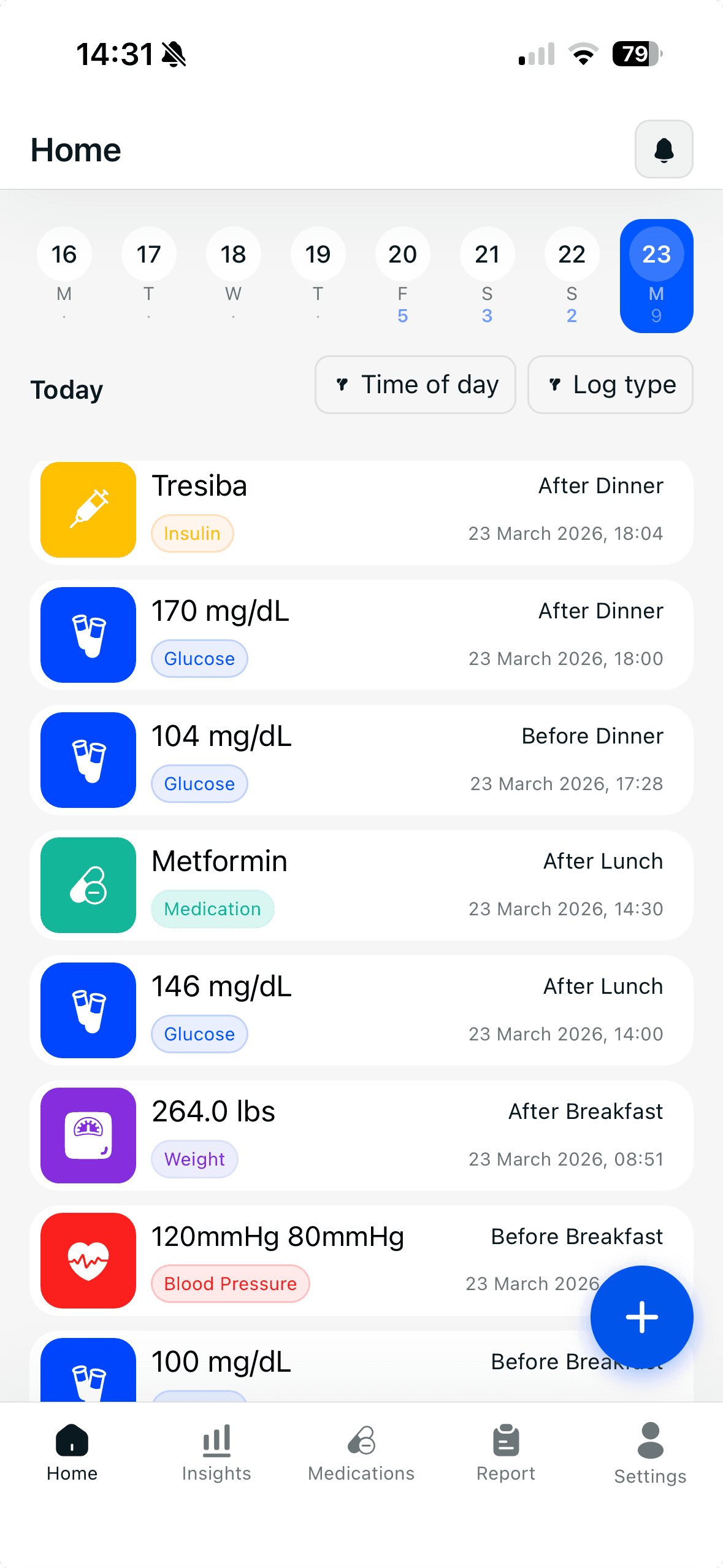
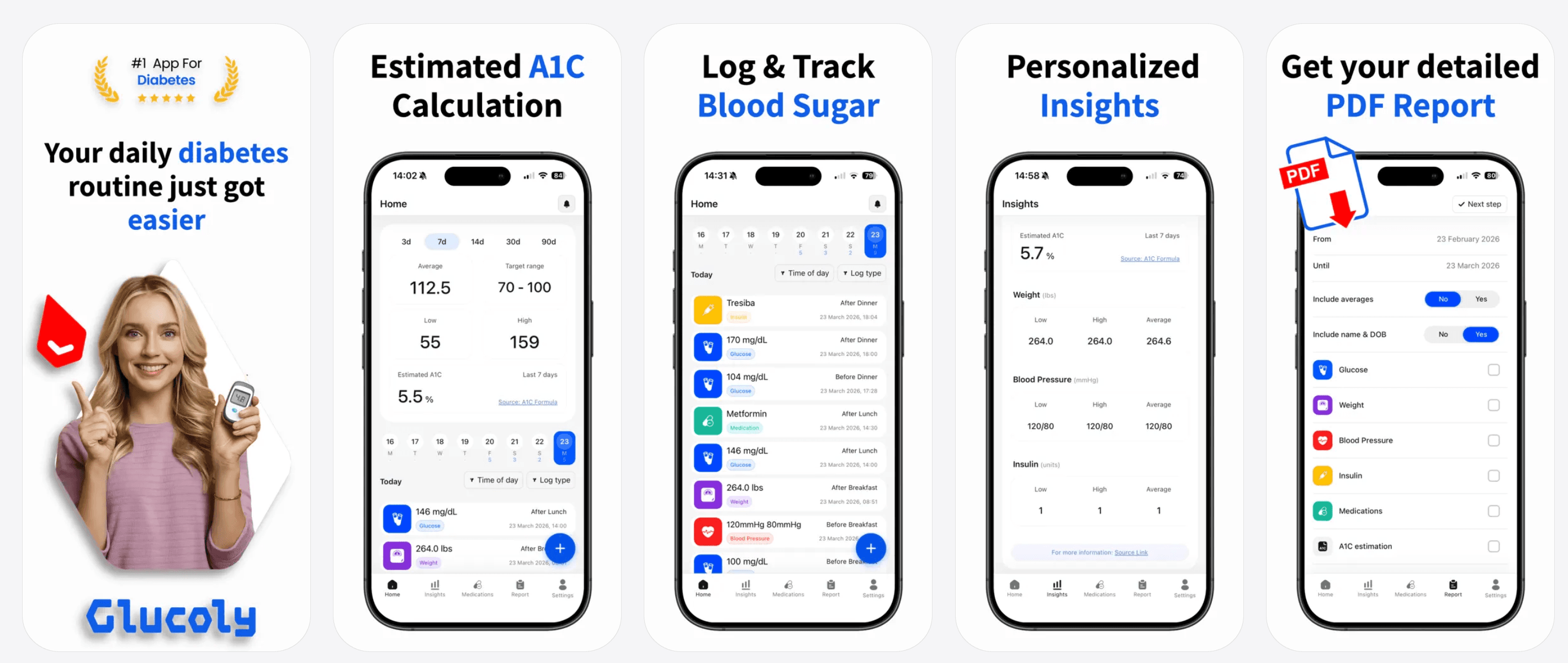
- Logging your fasting blood sugar consistently in Glucoly can reveal rising trends that motivate earlier medical evaluation.
What is the earliest sign of type 2 diabetes?
- The earliest detectable change is typically elevated blood sugar on a fasting or A1C test, often before any physical symptom appears.
- Among physical symptoms, increased thirst and frequent urination are most commonly reported as the first signs people notice.
- Fatigue is also frequently reported early, though it is non-specific and easy to overlook.
- Annual blood tests are the most reliable way to catch type 2 diabetes early, especially if you have one or more risk factors.
How is type 2 diabetes different from type 1 in its early signs?
- Type 1 diabetes tends to appear suddenly, often over days to weeks, with rapid weight loss, extreme thirst, and high ketones. Type 2 diabetes develops gradually over months to years.
- Type 1 is an autoimmune condition where the immune system destroys insulin-producing cells. Type 2 involves insulin resistance and insufficient insulin production over time.
- Early signs such as thirst, frequent urination, and fatigue can appear in both types. The speed of onset and severity typically differ.
- A blood test is required to distinguish between the two; you cannot reliably self-diagnose based on symptoms alone.
Sources
- American Diabetes Association. Standards of Medical Care in Diabetes 2024. diabetes.org
- Centers for Disease Control and Prevention. National Diabetes Statistics Report 2024. cdc.gov/diabetes
Track your blood sugar and spot patterns with Glucoly - free on iOS and Android.
Download GlucolyShare this article
Related Posts
What Is LADA (Type 1.5 Diabetes)? Symptoms and How It Differs from Type 1 and Type 2
LADA (type 1.5 diabetes) is autoimmune diabetes that develops slowly in adults, often misdiagnosed as type 2.…
Read more →EducationDiabetic Retinopathy: How Diabetes Affects Your Eyes (and How to Protect Them)
Diabetic retinopathy is the leading cause of blindness in adults — largely preventable. Learn the stages, symp…
Read more →EducationWhat Is Diabetic Ketoacidosis (DKA)? Warning Signs You Must Know
DKA is a life-threatening diabetes emergency. Know the warning signs — fruity breath, vomiting, confusion — an…
Read more →