Movement is one of the best tools for blood sugar control - but it can cause highs and lows too. How to exercise safely and time it around meals and meds.
Exercise is one of the most effective things you can do for your blood sugar - it improves insulin sensitivity and helps your muscles use glucose for fuel. But it can also push your levels up or down depending on what you do, so a little planning goes a long way.
In this article
Why movement lowers blood sugar
When you're active, your muscles pull glucose out of your bloodstream for energy, and they keep doing so for hours afterward as they refill their stores. Regular activity also makes your body more responsive to insulin, so the benefits build up over time - not just during the workout.
Different exercise, different response
Steady aerobic activity like walking, cycling, or swimming usually lowers blood sugar gradually. High-intensity or competitive exercise can do the opposite at first - the surge of adrenaline can push glucose up temporarily before it comes down. Knowing this helps you read your numbers instead of being surprised by them.
Timing around meals and medication
Exercising after a meal can help blunt the post-meal rise. If you take insulin or glucose-lowering medication, the timing matters more - working out when your medication is peaking raises the risk of going low. Your care team can help you plan around your specific regimen.
Avoiding lows
Check your blood sugar before and after exercise, especially when you try something new. If you're trending low beforehand, have a small snack. Carry fast-acting carbohydrates in case you drop during activity, and stay hydrated - dehydration can skew your readings.
Find what you'll keep doing
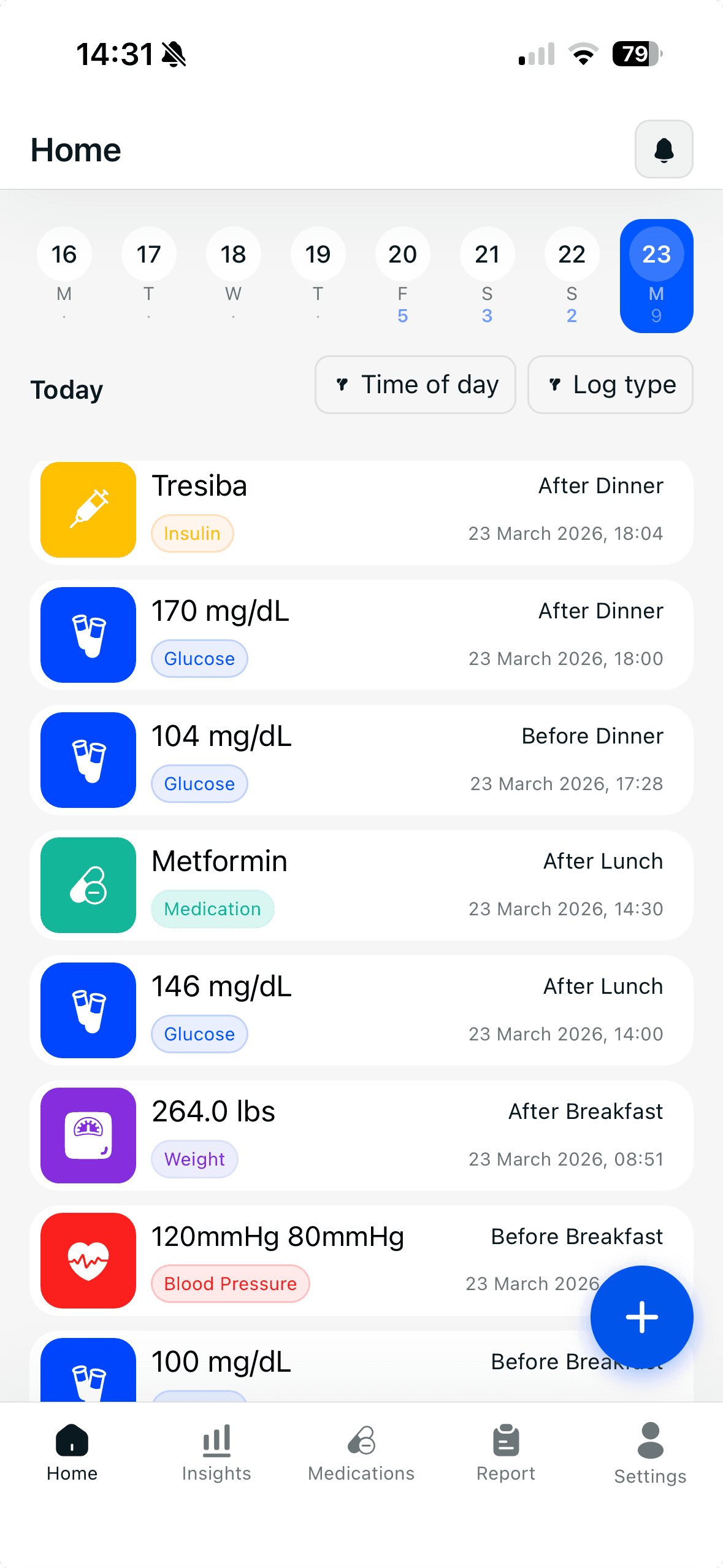
The best exercise is the one you'll actually repeat. Consistent, moderate movement beats occasional intense sessions for blood sugar control. Log your activity alongside your glucose so you can see exactly how your body responds - and build a routine around what works for you.
Frequently Asked Questions
What type of exercise is best for lowering blood sugar?
Both aerobic exercise and resistance (strength) training lower blood sugar effectively, and combining them gives better results than either alone. Aerobic activities like brisk walking, cycling, or swimming are especially good for immediate glucose reduction after meals. Resistance training builds muscle mass, which improves insulin sensitivity over the long term. A short walk after eating - even 10 minutes - is one of the most effective and accessible strategies.
How long after exercise does blood sugar drop?
Blood sugar typically begins to fall during moderate aerobic exercise and continues to decline for 1–3 hours afterward. The after-effect on insulin sensitivity can last 24–48 hours after a single session. This is why regular daily activity tends to keep average glucose lower than sporadic workouts. If you are on insulin or glucose-lowering medication, discuss with your care team how to adjust for this extended effect.
Can exercise replace diabetes medication?
For some people in the early stages of type 2 diabetes, lifestyle changes including regular exercise and weight loss have reduced or eliminated the need for medication - but this should only happen under medical supervision, not by stopping medication independently. Exercise is a powerful tool, but it works best alongside your prescribed treatment plan, not as a substitute for it. Never adjust or stop medication without consulting your healthcare provider.
Sources
- American Diabetes Association. Physical Activity and Diabetes. diabetes.org/health-wellness/fitness
- Centers for Disease Control and Prevention. Physical Activity and Diabetes. cdc.gov/diabetes/healthy-eating
See how activity moves your numbers - track it all with Glucoly, free on the App Store and Google Play.
Download GlucolyShare this article
Related Posts
Traveling with Diabetes: A Complete Packing and Planning Guide
Traveling with diabetes is safe with the right preparation. This guide covers packing, airport security, keepi…
Read more →LifestyleHow Stress Affects Blood Sugar Levels (And What to Do About It)
Stress raises blood sugar directly through cortisol and adrenaline. Learn why it happens, how to spot the patt…
Read more →LifestyleHow Exercise Affects Blood Sugar — and How to Manage It
Exercise lowers blood sugar for up to 24–48 hours, but intense workouts can cause temporary spikes. Learn how…
Read more →