Learn to recognize low blood sugar symptoms in T1D and T2D, how to apply the 15-15 rule, when to call emergency services, and how to prevent future episodes.
Low blood sugar, known as hypoglycemia, occurs when blood glucose falls below 70 mg/dL (3.9 mmol/L). Symptoms range from shakiness, sweating, and dizziness at mild levels to confusion and loss of consciousness at severe levels. The standard first-line treatment is the 15-15 rule: consume 15 grams of fast-acting carbohydrates, wait 15 minutes, then recheck. Most episodes can be managed at home, but severe hypoglycemia requires emergency care.
In this article
- Mild vs. Severe Symptoms of Hypoglycemia
- The 15-15 Rule: How to Treat Low Blood Sugar
- When to Call Emergency Services
- What Causes Low Blood Sugar in Type 1 and Type 2 Diabetes
- How to Prevent Hypoglycemia
- How Glucoly Helps You Spot Hypoglycemia Patterns
- What blood sugar level is considered dangerously low?
- Can people without diabetes get low blood sugar?
- How quickly does blood sugar rise after treating a low?
- At a Glance: Hypoglycemia is defined as blood glucose below 70 mg/dL (3.9 mmol/L) by the American Diabetes Association.
- Mild symptoms include shakiness, sweating, dizziness, hunger, and irritability. Severe symptoms include confusion, seizures, and loss of consciousness.
- The 15-15 rule is the standard first-line treatment: 15 grams of fast-acting carbs, wait 15 minutes, recheck, and repeat if still below 70 mg/dL (3.9 mmol/L).
- Call emergency services if the person is unconscious, cannot swallow, or does not respond to the 15-15 rule after two cycles.
- Common causes include too much insulin, a skipped meal, unexpected exercise, and alcohol consumption.
- Logging blood sugar consistently in Glucoly helps you and your doctor identify recurring low patterns before they become emergencies.
Mild vs. Severe Symptoms of Hypoglycemia
Hypoglycemia symptoms appear on a spectrum depending on how far blood sugar has dropped and how quickly. Recognizing the early signs is critical because acting fast prevents a mild episode from becoming a medical emergency.
- Mild symptoms (blood sugar roughly 54 to 70 mg/dL / 3.0 to 3.9 mmol/L): shakiness or trembling, sweating, rapid heartbeat, hunger, anxiety or irritability, pale skin, and headache.
- Moderate symptoms (blood sugar approaching 54 mg/dL / 3.0 mmol/L): difficulty concentrating, blurred or double vision, slurred speech, clumsiness, and drowsiness.
- Severe symptoms (blood sugar below 54 mg/dL / 3.0 mmol/L): extreme confusion, inability to eat or drink, seizures, and loss of consciousness. These require immediate emergency care.
- Hypoglycemia unawareness: some people, particularly those with long-standing T1D, lose the ability to feel early warning signs. They can drop to dangerously low levels without noticing. This is a serious complication requiring medical review.
The 15-15 Rule: How to Treat Low Blood Sugar
The 15-15 rule is the treatment protocol recommended by the American Diabetes Association for mild to moderate hypoglycemia in adults. It is straightforward to follow and effective when applied correctly.
- Step 1: Check your blood glucose to confirm it is below 70 mg/dL (3.9 mmol/L). If you have symptoms but no meter, treat anyway.
- Step 2: Consume exactly 15 grams of fast-acting carbohydrates. Good sources: 4 glucose tablets, 15 ml (1 tablespoon) of honey, 120 ml (4 oz) of regular fruit juice or non-diet soda, or 1 tube of glucose gel.
- Step 3: Wait exactly 15 minutes without eating anything else, then recheck your blood sugar.
- Step 4: If blood sugar is still below 70 mg/dL (3.9 mmol/L), repeat the cycle with another 15 grams of carbohydrates.
- Step 5: Once blood sugar returns to a safe level, eat a small snack containing protein and complex carbohydrates if your next meal is more than an hour away. This helps prevent a second dip.
- Important: do not use foods high in fat (such as chocolate or peanut butter) as the primary treatment. Fat slows glucose absorption and delays recovery.
When to Call Emergency Services
Most episodes of hypoglycemia can be treated at home. However, certain situations require calling emergency services immediately rather than attempting self-treatment.
- The person is unconscious or cannot be woken up.
- The person is having a seizure.
- The person cannot swallow safely and you cannot administer oral glucose without risk of choking.
- The 15-15 rule has been applied twice and blood sugar remains critically low.
- Glucagon is not available or you are untrained in using it.
- A glucagon emergency kit (nasal powder or auto-injector) can be used by a trained bystander for severe episodes while waiting for emergency services. Glucagon is available by prescription; ask your doctor or diabetes care team about having one on hand.
What Causes Low Blood Sugar in Type 1 and Type 2 Diabetes
Hypoglycemia is most common in people using insulin, but it can occur in anyone with diabetes taking certain medications. Understanding the triggers helps you prevent recurrence.
- Too much insulin: the most common cause in T1D. A miscalculated dose, accidentally injecting rapid-acting insulin instead of basal, or an incorrectly programmed pump can all cause a rapid glucose drop.
- Skipping or delaying a meal: insulin or sulfonylurea medications continue acting even if you do not eat, driving blood sugar down.
- Unplanned or prolonged exercise: physical activity increases insulin sensitivity and burns glucose faster than expected, often causing delayed hypoglycemia hours after the activity.
- Alcohol consumption: alcohol blocks the liver from releasing stored glucose. Hypoglycemia can occur many hours after drinking, even into the following morning.
- Medications: sulfonylureas (such as glipizide and glyburide) and meglitinides carry a hypoglycemia risk in type 2 diabetes. Metformin, SGLT-2 inhibitors, and GLP-1 agonists used alone carry very low risk.
- Gastroparesis: delayed stomach emptying in people with diabetes means food glucose absorbs more slowly than insulin peaks, causing a mismatch.
How to Prevent Hypoglycemia
Prevention involves understanding your personal patterns, planning ahead for exercise and irregular meals, and working closely with your diabetes care team to keep insulin doses and medication levels optimized.
- Check blood sugar more frequently during periods of increased activity, travel, illness, or schedule disruption.
- Always carry fast-acting glucose: glucose tablets, glucose gel, or a small carton of juice should be within reach at all times.
- Adjust insulin or medication doses before prolonged exercise in consultation with your care team.
- Avoid alcohol on an empty stomach, and check blood sugar before bed if you have consumed alcohol.
- Set a low blood sugar alert on your continuous glucose monitor (CGM) if you use one. The ADA recommends an alert threshold of 70 mg/dL (3.9 mmol/L) or higher for people with a history of severe hypoglycemia.
- If you have hypoglycemia unawareness, discuss CGM use and revised glucose targets with your doctor. Stricter avoidance of low levels can partially restore symptom awareness over time.
How Glucoly Helps You Spot Hypoglycemia Patterns
Recognizing when and why lows occur is one of the most useful steps in preventing them. Glucoly makes this easier by centralizing your glucose data and surfacing trends over time.
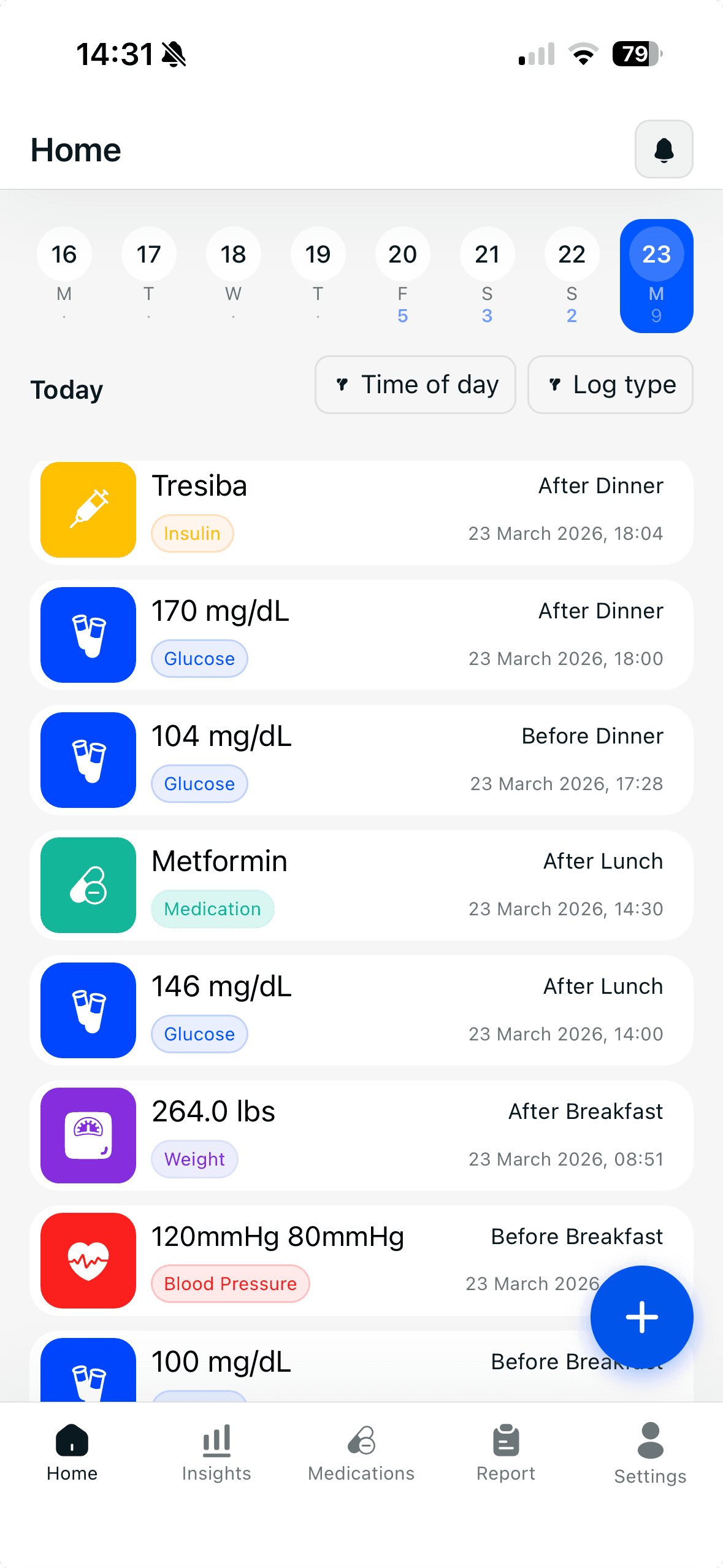
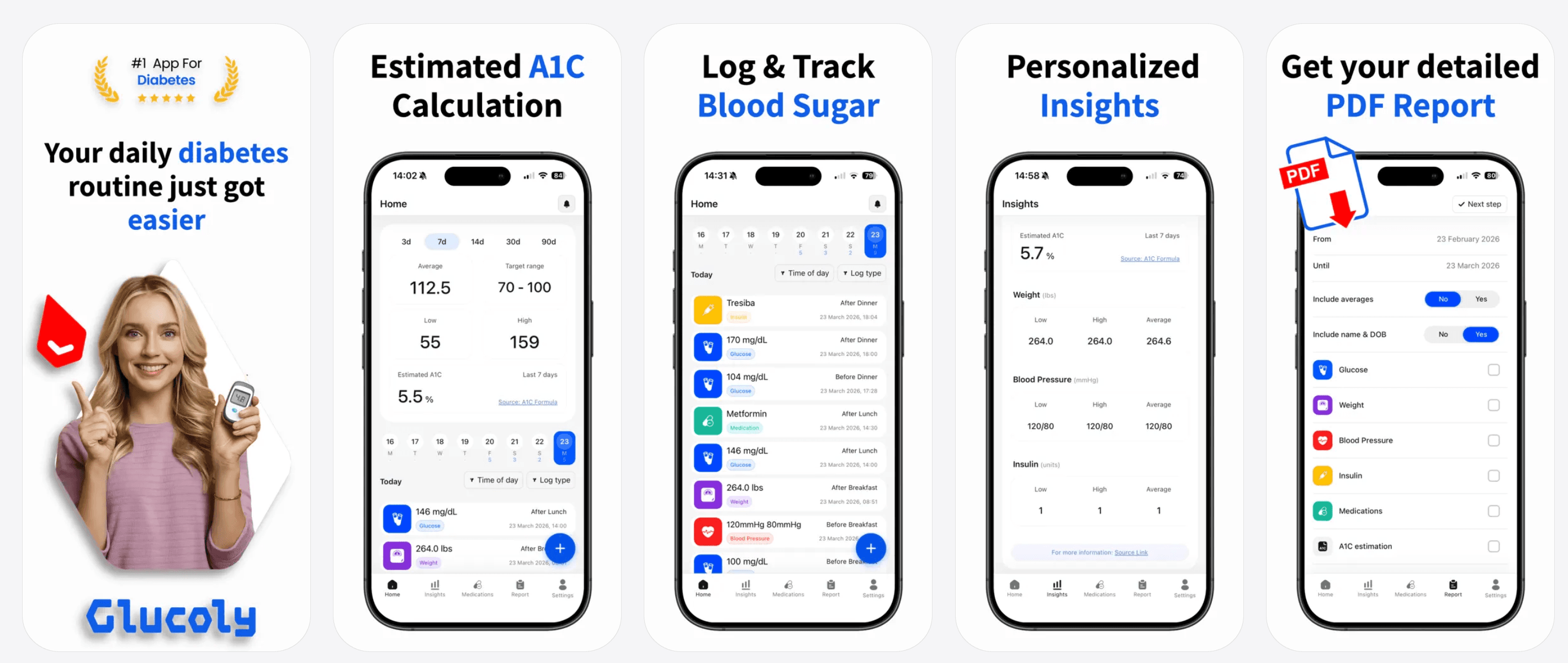
- Log every reading, including lows: Glucoly stores all manual readings and can sync CGM data from Dexcom and Libre through Apple Health, giving you a complete picture.
- Before and after meal tagging helps you see whether post-meal lows are linked to overcorrection or meal timing.
- Trend windows of 7, 14, 30, and 90 days let you identify recurring low windows, such as overnight dips or post-exercise drops.
- Doctor-ready PDF export: share a full glucose log with your care team so they can adjust your insulin regimen based on real data rather than memory.
- Smart reminders: set low blood sugar recheck reminders so you do not forget to confirm recovery after treating an episode.
This article is for general education and is not a substitute for medical advice. Consult your healthcare provider before making changes to your treatment plan. If you experience frequent or severe hypoglycemia, seek urgent review from your diabetes care team.
Frequently Asked Questions
What blood sugar level is considered dangerously low?
- The ADA defines clinically significant hypoglycemia as a blood glucose below 54 mg/dL (3.0 mmol/L), regardless of symptoms.
- Values below 54 mg/dL (3.0 mmol/L) are associated with serious complications including seizures and loss of consciousness and require immediate treatment.
- Any value below 70 mg/dL (3.9 mmol/L) should be treated promptly to prevent further decline.
- If in doubt, treat first and verify with a meter when it is safe to do so.
Can people without diabetes get low blood sugar?
- Yes, but it is much less common. Non-diabetic hypoglycemia can occur in people with certain medical conditions, after weight-loss surgery, from rare tumors (insulinomas), or as a reactive response after eating.
- Reactive hypoglycemia typically occurs 2 to 4 hours after a high-carbohydrate meal in people without diabetes and is usually mild.
- If you experience repeated low blood sugar episodes and do not have diabetes, see a doctor for evaluation. Unexplained hypoglycemia can signal an underlying condition.
How quickly does blood sugar rise after treating a low?
- Glucose tablets and plain glucose solutions typically raise blood sugar within 10 to 15 minutes for most people.
- Juice and regular soda usually act within 15 minutes but can take slightly longer depending on digestion speed.
- Solid foods like crackers or fruit take longer to absorb and are not ideal as primary treatment, though they help sustain recovery after the initial rise.
- The 15-minute wait in the 15-15 rule is designed to allow full absorption before rechecking.
Sources
- American Diabetes Association. Standards of Medical Care in Diabetes 2024. diabetes.org
- Centers for Disease Control and Prevention. Low Blood Sugar (Hypoglycemia). cdc.gov/diabetes/treatment
- National Health Service. Low blood sugar (hypoglycemia). nhs.uk/conditions/low-blood-sugar-hypoglycaemia
Track your blood sugar and spot patterns with Glucoly - free on iOS and Android.
Download GlucolyShare this article
Related Posts
What Is LADA (Type 1.5 Diabetes)? Symptoms and How It Differs from Type 1 and Type 2
LADA (type 1.5 diabetes) is autoimmune diabetes that develops slowly in adults, often misdiagnosed as type 2.…
Read more →EducationDiabetic Retinopathy: How Diabetes Affects Your Eyes (and How to Protect Them)
Diabetic retinopathy is the leading cause of blindness in adults — largely preventable. Learn the stages, symp…
Read more →EducationWhat Is Diabetic Ketoacidosis (DKA)? Warning Signs You Must Know
DKA is a life-threatening diabetes emergency. Know the warning signs — fruity breath, vomiting, confusion — an…
Read more →