The dawn phenomenon causes high morning blood sugar due to hormones released during sleep. Learn what causes it, how to identify it, and how to manage it.
The dawn phenomenon is a natural rise in blood sugar between 2–8 a.m. caused by hormones released during sleep — cortisol, glucagon, epinephrine, and growth hormone. These hormones tell the liver to release stored glucose to prepare the body for waking. In people with diabetes, this surge is not offset by enough insulin, causing elevated fasting blood sugar readings despite not eating overnight.
In this article
- What Causes the Dawn Phenomenon?
- Dawn Phenomenon vs Somogyi Effect: What Is the Difference?
- How to Identify If You Have the Dawn Phenomenon
- How to Manage the Dawn Phenomenon
- Dawn Phenomenon and Fasting Blood Sugar Tests
- Dawn Phenomenon in Type 1 vs Type 2 Diabetes
- Is the dawn phenomenon dangerous?
- Does the dawn phenomenon affect people without diabetes?
- Can diet help the dawn phenomenon?
At a Glance
- Dawn phenomenon causes fasting blood sugar to rise between 2 a.m. and 8 a.m. without any food intake
- It is triggered by cortisol, glucagon, epinephrine, and growth hormone released during early morning sleep cycles
- It affects up to 50% of people with type 1 and type 2 diabetes
- Fasting readings typically 20–40 mg/dL higher than bedtime readings
- Different from Somogyi effect (rebound high after a nighttime low) — dawn phenomenon occurs without prior hypoglycemia
- Managed with medication timing adjustments, basal insulin changes, or dietary strategies
What Causes the Dawn Phenomenon?
During the early morning hours, the body prepares to wake up by releasing a cascade of hormones. This process — sometimes called the counter-regulatory hormone surge — is a normal part of human physiology. The liver responds by releasing stored glucose into the bloodstream. In people without diabetes, the pancreas simultaneously releases additional insulin to neutralise this glucose, keeping blood sugar stable. In people with diabetes, either the pancreas cannot produce enough insulin or the body's cells are resistant to it, so the glucose surge goes unchecked and fasting blood sugar rises.
- Cortisol: peaks around 6–8 a.m. and reduces insulin sensitivity — the body's natural stress hormone for waking up
- Glucagon: signals the liver to release stored glycogen as glucose into the bloodstream
- Epinephrine (adrenaline) and norepinephrine: stimulate glucose release to fuel the body for activity
- Growth hormone: surges during deep sleep and promotes glucose production
- In people without diabetes: the pancreas automatically releases extra insulin to offset this surge
- In people with diabetes: insufficient insulin production or insulin resistance means the surge goes unchecked
Dawn Phenomenon vs Somogyi Effect: What Is the Difference?
Both the dawn phenomenon and the Somogyi effect can produce high fasting blood sugar readings in the morning, making them easy to confuse. However, they arise through opposite mechanisms — one is driven entirely by hormones, the other is a rebound response to overnight hypoglycemia. Telling them apart is clinically important because the treatments differ significantly: treating the dawn phenomenon as if it were a Somogyi effect, or vice versa, can worsen blood sugar control.
- Dawn phenomenon: blood sugar rises gradually from 2 a.m. onward without any prior low — it is caused by hormones alone
- Somogyi effect (rebound hyperglycemia): blood sugar drops too low overnight (often from too much evening insulin), triggers a counter-regulatory hormone surge, and rebounds to a high by morning
- How to tell them apart: check blood sugar at 2–3 a.m. — if it is normal or high, it is dawn phenomenon; if it is low (below 70 mg/dL), it is the Somogyi effect
- A CGM makes it much easier to identify which pattern is occurring
- Treatment is opposite: dawn phenomenon may need more basal insulin; Somogyi effect needs less
How to Identify If You Have the Dawn Phenomenon
- Check blood sugar at bedtime and again at 2–3 a.m. for several nights
- If bedtime reading is in range (e.g. 100 mg/dL) but fasting is consistently elevated (e.g. 140 mg/dL), dawn phenomenon is likely
- A continuous glucose monitor (CGM) provides the clearest picture — it tracks every 5 minutes overnight
- Look for a gradual upward trend starting around 3–4 a.m. on your CGM graph
- Share your overnight patterns with your diabetes care team for a confirmed diagnosis and treatment plan
How to Manage the Dawn Phenomenon
Management strategies for the dawn phenomenon depend on your diabetes type, current medications, and the severity of the morning rise. Work with your diabetes care team before making any changes to your medication regimen. The following approaches are commonly used:
- Adjust basal insulin timing: people on long-acting insulin (e.g. glargine/Lantus) may benefit from taking it at bedtime rather than morning
- Use an insulin pump: pumps can be programmed to increase basal rate automatically in the early morning hours
- Try metformin: metformin reduces the liver's overnight glucose release and can significantly blunt the dawn effect in type 2 diabetes
- Adjust bedtime snack: a small high-protein, low-carb snack may help stabilise overnight glucose in some people
- Exercise in the evening: moderate evening exercise can improve insulin sensitivity overnight
- GLP-1 agonists (e.g. Ozempic): these medications reduce glucagon levels and can decrease the dawn phenomenon
Dawn Phenomenon and Fasting Blood Sugar Tests
If you test blood sugar first thing in the morning as part of routine diabetes management, the dawn phenomenon can make your fasting readings appear worse than your overall control actually is. Your A1C (3-month average) and time-in-range from a CGM give a more accurate picture of 24-hour control. Always take your fasting reading in context — a single morning high does not necessarily mean your overall management is poor.
Dawn Phenomenon in Type 1 vs Type 2 Diabetes
- Type 1 diabetes: dawn phenomenon is particularly pronounced because the pancreas produces no insulin at all; basal insulin dose and timing adjustments are the primary management tools
- Type 2 diabetes: the dawn phenomenon occurs due to insulin resistance and insufficient pancreatic compensation; oral medications (especially metformin) and lifestyle changes are often effective
- Both types benefit from CGM monitoring to detect and track overnight patterns
- Pregnancy: dawn phenomenon can worsen gestational diabetes morning readings — discuss with your obstetric team
Frequently Asked Questions
Is the dawn phenomenon dangerous?
In most cases, the dawn phenomenon causes elevated but not critically high fasting blood sugar (typically 140–180 mg/dL). It is not immediately dangerous, but persistently elevated fasting readings contribute to a higher A1C and increase long-term complication risk. It is worth addressing with your diabetes team to optimise your fasting glucose control.
Does the dawn phenomenon affect people without diabetes?
Yes — the hormonal surge occurs in everyone. However, in people without diabetes, the pancreas responds automatically with just enough extra insulin to keep glucose in the normal range. People without diabetes will not notice any significant blood sugar change in the morning, even though the same hormone release is happening.
Can diet help the dawn phenomenon?
Diet has a limited direct effect because the dawn phenomenon is driven by hormones, not food intake. However, avoiding high-carb meals late at night can prevent additional spikes on top of the hormonal surge. Some people find a small high-protein bedtime snack (e.g. a handful of nuts or a boiled egg) helps stabilise overnight readings. Eating at consistent times throughout the day also supports more stable overall glucose patterns.
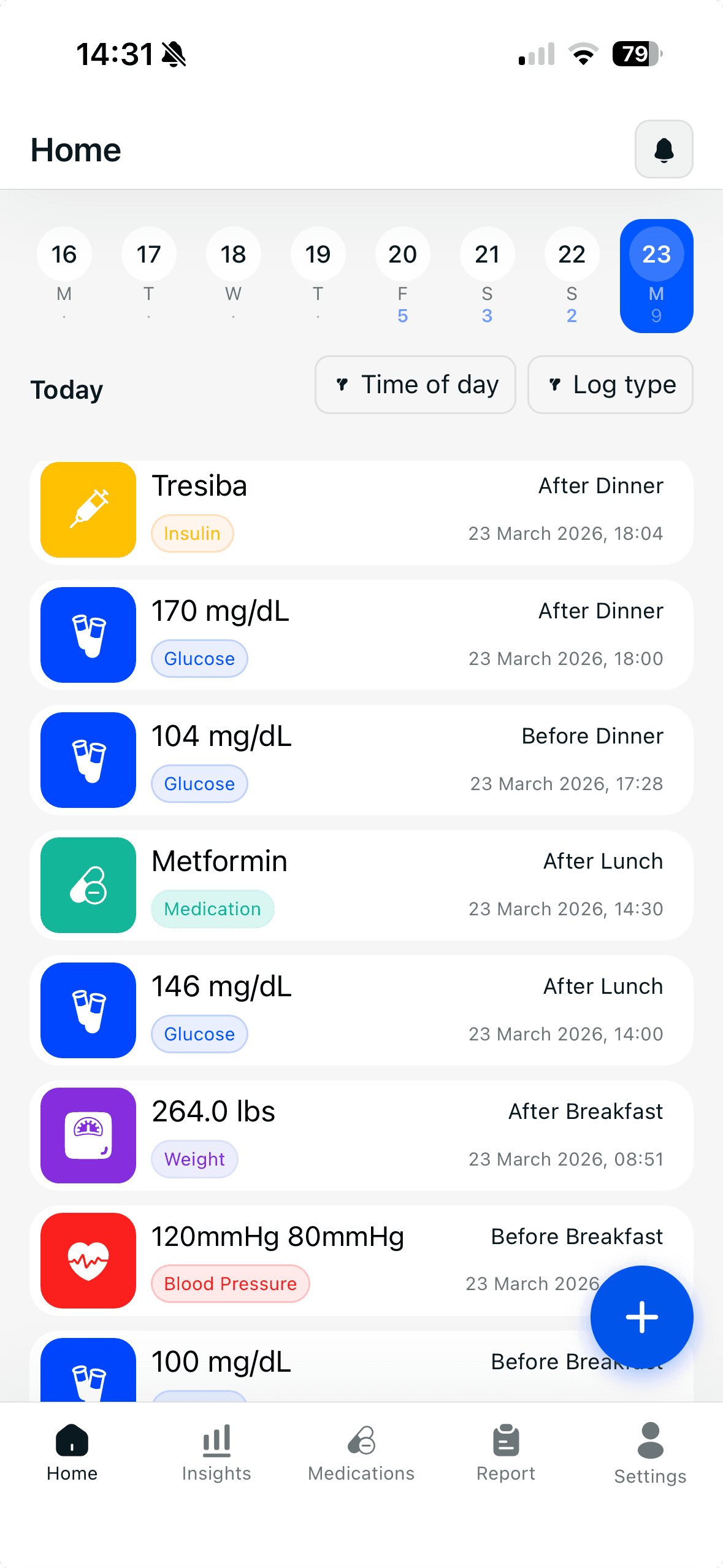
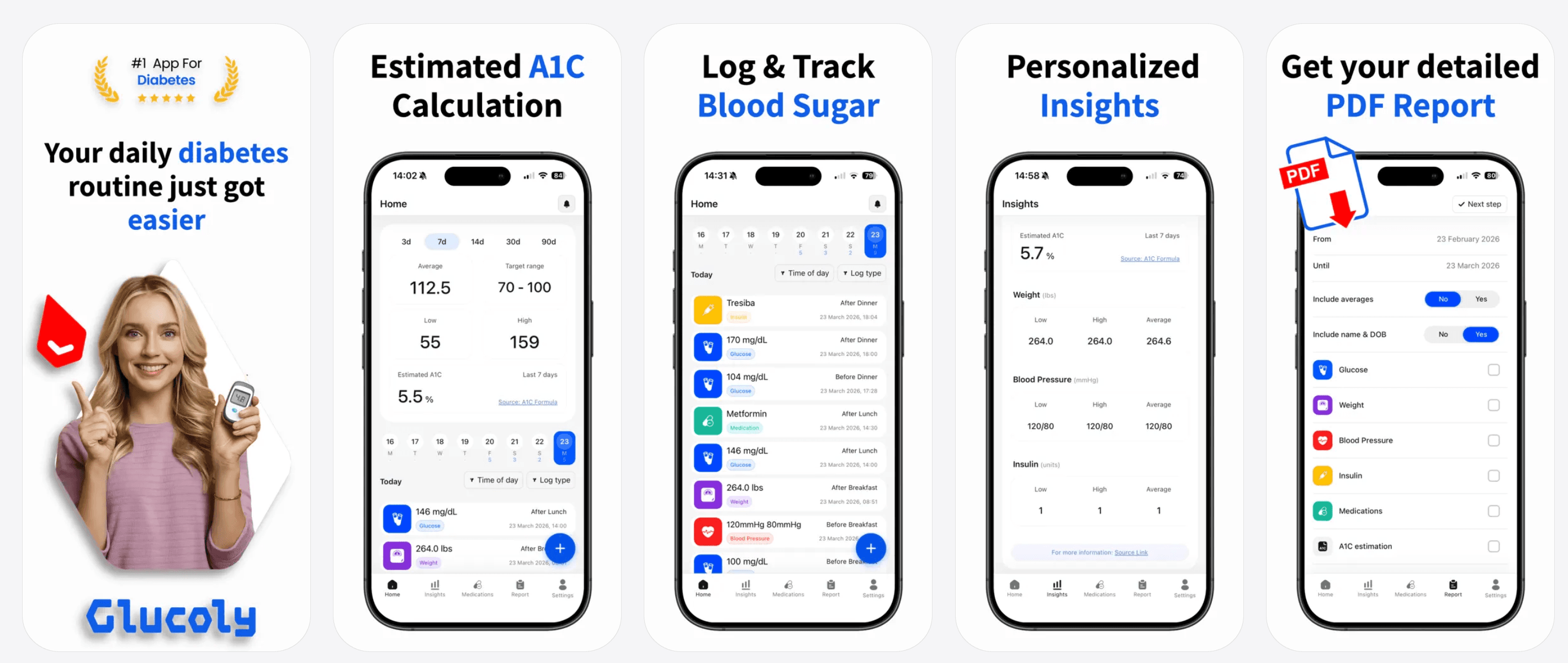
Confirm a dawn pattern by logging your morning readings in Glucoly — free to download with unlimited logging, plus Glucoly Premium for estimated A1C and detailed reports.
Download GlucolySources
- American Diabetes Association (ADA) — diabetes.org
- Mayo Clinic — mayoclinic.org
- Cleveland Clinic — my.clevelandclinic.org
- National Institute of Diabetes and Digestive and Kidney Diseases (NIDDK) — niddk.nih.gov
Share this article
Related Posts
What Is LADA (Type 1.5 Diabetes)? Symptoms and How It Differs from Type 1 and Type 2
LADA (type 1.5 diabetes) is autoimmune diabetes that develops slowly in adults, often misdiagnosed as type 2.…
Read more →EducationDiabetic Retinopathy: How Diabetes Affects Your Eyes (and How to Protect Them)
Diabetic retinopathy is the leading cause of blindness in adults — largely preventable. Learn the stages, symp…
Read more →EducationWhat Is Diabetic Ketoacidosis (DKA)? Warning Signs You Must Know
DKA is a life-threatening diabetes emergency. Know the warning signs — fruity breath, vomiting, confusion — an…
Read more →