Illness spikes blood sugar even when you're not eating. Learn the sick day rules for diabetes - when to check, what to eat, and when to call your doctor.
When you're sick, blood sugar almost always rises - even if you're eating very little or nothing at all. The reason is stress hormones. Illness triggers your body to release cortisol, glucagon, and epinephrine, which signal the liver to dump stored glucose into your bloodstream. For people with Type 1 or Type 2 diabetes, that release isn't balanced by a matching insulin response, so glucose climbs and can reach dangerous levels fast. Managing diabetes when sick requires more frequent monitoring, not less.
In this article
- Why Illness Spikes Blood Sugar
- The Sick Day Paradox for Type 1 Diabetes
- Sick Day Rules: The ADA Basics
- When to Call Your Doctor or Go to the ER
- Hydration During Illness
- Sick-Day Foods: What to Eat When You Can't Manage a Full Meal
- Medications to Watch During Illness
- How Frequent Logging in Glucoly Helps During Illness
- Should I take insulin if I'm sick and not eating?
- What blood sugar level is dangerous when sick?
- Do I need to check ketones when sick?
- At a Glance: Illness raises blood sugar through stress hormones - even without eating.
- Never stop taking insulin when sick, even if you're not eating (especially critical for Type 1 diabetes).
- Check glucose every 2–4 hours during illness; check ketones if glucose exceeds 240 mg/dL (13.3 mmol/L).
- Call your doctor if glucose exceeds 300 mg/dL (16.7 mmol/L), or if you have moderate or large ketones.
- Go to the ER if you're vomiting repeatedly, cannot keep fluids down, or are confused.
- Stay hydrated with sugar-free fluids; use carb-containing drinks only if glucose drops low.
- Some OTC medications - decongestants, steroids, cough syrups with sugar - raise blood sugar further.
Why Illness Spikes Blood Sugar
Your body treats illness as a physical threat. In response, it activates a stress reaction that releases counter-regulatory hormones - cortisol, glucagon, and epinephrine. These hormones mobilize energy to fight infection: they signal the liver to break down glycogen and release glucose into the bloodstream, increase insulin resistance so muscles give way to immune cells, and keep glucose elevated as fuel for immune activity.
In a person without diabetes, the pancreas releases more insulin to offset this surge. In diabetes, that compensating mechanism is absent or impaired. The result is that a fever, stomach bug, respiratory infection, or even a minor cold can send glucose sharply higher - regardless of whether you've eaten anything.
- Cortisol: peaks during illness and reduces insulin sensitivity, making it harder for cells to absorb glucose.
- Glucagon: signals the liver to release stored glucose - this happens even in a fasted state.
- Epinephrine (adrenaline): raises blood sugar rapidly as part of the body's emergency response.
- The combined effect can raise blood sugar by 50–100 mg/dL (2.8–5.6 mmol/L) or more above your usual baseline.
- Infections, surgeries, dental procedures, and emotional stress all trigger the same hormonal cascade.
The Sick Day Paradox for Type 1 Diabetes
One of the most counterintuitive realities of Type 1 diabetes sick day management is this: you may need MORE insulin when you're sick, even though you're eating much less. Because stress hormones drive glucose up from the liver independent of food intake, insulin requirements often increase even when appetite is gone. Many people with T1D make the dangerous mistake of cutting back on insulin because they're not eating, which can rapidly lead to diabetic ketoacidosis (DKA).
DKA develops when there isn't enough insulin to allow glucose into cells. Without glucose for energy, the body burns fat instead, producing ketones as a byproduct. Ketones accumulate in the blood, making it dangerously acidic. DKA is a life-threatening emergency requiring hospital treatment - and it can develop within hours during illness if insulin is withheld.
- Never stop taking your basal (long-acting) insulin during illness - this is the most important sick day rule for T1D.
- Bolus (rapid-acting) insulin doses may need to be adjusted upward, even for smaller meals or when eating nothing.
- Check for ketones if your glucose exceeds 240 mg/dL (13.3 mmol/L) - use urine strips or a blood ketone meter.
- Symptoms of developing DKA include nausea, vomiting, stomach pain, fruity breath, and extreme thirst - treat these as an emergency.
- Talk to your endocrinologist before you get sick to establish a sick day insulin adjustment plan.
Sick Day Rules: The ADA Basics
The American Diabetes Association has long-established sick day guidelines that apply to both Type 1 and Type 2 diabetes. The core principle is to maintain your usual diabetes management routine as closely as possible, while monitoring much more frequently. Think of illness as a period requiring heightened vigilance - not a reason to pause your routine.
- Never stop taking insulin - this is non-negotiable for Type 1 diabetes and usually true for Type 2 as well.
- Check your blood glucose every 2–4 hours around the clock, including overnight, until you are well.
- Check for ketones if your glucose exceeds 240 mg/dL (13.3 mmol/L), whether you use urine strips or a blood ketone meter.
- Drink at least 8 oz (240 mL) of sugar-free fluid every hour you're awake to stay hydrated and support kidney function.
- Try to eat your normal carbohydrate amount if possible - 45–50 g per meal - even if it means sick-day foods like crackers or toast.
- Keep a record of your glucose readings, ketone results, symptoms, and any medications or fluids taken.
- Contact your healthcare provider early - don't wait until a situation becomes a crisis.
When to Call Your Doctor or Go to the ER
Knowing the warning signs that require immediate medical attention is critical during illness. Some situations can be managed at home with closer monitoring; others require prompt professional care. When in doubt, call your care team - that's what they're there for.
- Blood glucose above 300 mg/dL (16.7 mmol/L) that does not come down after a correction dose.
- Moderate or large ketones - this is a medical emergency, especially for Type 1 diabetes.
- Vomiting more than 1–2 times, or inability to keep fluids down for more than 4 hours.
- Diarrhea lasting more than 6 hours - rapid dehydration can destabilize glucose and electrolytes.
- Blood glucose below 70 mg/dL (3.9 mmol/L) that you cannot bring up with fast-acting carbohydrate.
- Confusion, extreme drowsiness, difficulty breathing, or chest pain - go to the ER immediately.
- Any illness lasting more than 2 days without improvement.
Hydration During Illness
Staying hydrated is essential when sick with diabetes - dehydration raises blood glucose and puts extra strain on your kidneys at a time when they're already working to clear glucose and ketones. Aim to drink at least 8 oz (240 mL) of fluid every hour you're awake.
For most of your sick-day fluid intake, choose sugar-free options: water, broth, unsweetened herbal tea, or sugar-free electrolyte drinks. If your glucose drops below 70 mg/dL (3.9 mmol/L) and you cannot eat, then carbohydrate-containing fluids like regular juice become appropriate to bring it back up.
- Best sugar-free choices: water, clear broth (chicken or vegetable), herbal tea, sugar-free electrolyte drinks.
- If vomiting makes drinking hard: try small sips every 5–10 minutes rather than large amounts at once; sugar-free ice chips and popsicles also count.
- Electrolytes matter: illness depletes sodium and potassium through sweating, vomiting, and diarrhea - broth and electrolyte solutions help replace them.
- Avoid sugary drinks unless glucose is low: regular soda, juice, and sports drinks have 25–40 g of carbs per serving and will drive glucose higher.
- Avoid caffeinated beverages: caffeine can raise blood sugar and worsen dehydration.
Sick-Day Foods: What to Eat When You Can't Manage a Full Meal
Even when your appetite is poor, try to maintain some carbohydrate intake to avoid hypoglycemia - particularly important for people on insulin - and to give your body energy to fight infection. The goal is approximately 45–50 g of carbohydrates per meal, in the most tolerable form you can manage.
Each of the following provides approximately 15 g of carbohydrates - three of these equal one standard meal's carb target. They're bland, easy to digest, and predictable:
- 6 plain saltine crackers ≈ 15 g carbs - gentle on the stomach, easy to eat in small amounts.
- 1 slice of plain white toast ≈ 15 g carbs - easily tolerated and familiar.
- 1/2 cup cooked plain white rice ≈ 22 g carbs - easy to digest; rinse with broth for flavor and electrolytes.
- 1 small banana ≈ 23 g carbs - provides potassium; tolerated well even with nausea.
- 1/2 cup unsweetened applesauce ≈ 14 g carbs - gentle and easy to keep down.
- 1/2 cup cooked plain oatmeal ≈ 15 g carbs - some protein and fiber without being heavy.
- 1/2 cup broth-based soup with noodles ≈ 10–15 g carbs - hydration plus light carbs in one.
Medications to Watch During Illness
Over-the-counter medications are a common but overlooked source of blood sugar disruption during illness. Some OTC remedies contain ingredients that raise glucose directly; others affect the kidneys or interact with diabetes medications in ways that become more significant when you're sick and dehydrated.
- Decongestants (pseudoephedrine, phenylephrine): found in cold and flu products like Sudafed - they raise blood sugar by stimulating glucose release and adrenaline. Check multi-symptom formula labels carefully.
- Corticosteroids (prednisone, dexamethasone): prescribed for severe inflammation - they cause significant and rapid blood sugar elevation. If prescribed steroids, expect to check glucose much more often and contact your care team about dose adjustments.
- Cough syrups: many contain sugar as a base - look for 'sugar-free' versions and check the carbohydrate content per dose on the label.
- NSAIDs (ibuprofen, naproxen): generally safe for blood sugar, but when combined with dehydration during illness they can reduce kidney blood flow. Stay well hydrated, and avoid them if you have existing kidney disease.
- SGLT2 inhibitors (Jardiance, Farxiga): during illness, these medications carry an increased risk of DKA even with near-normal glucose levels - your care team may advise pausing them when you are sick. Do not stop without guidance.
- Always tell your pharmacist you have diabetes before buying OTC cold, flu, or pain products - they can help you choose the safest options.
How Frequent Logging in Glucoly Helps During Illness
When you're sick, the most valuable thing you can do is generate a clear, time-stamped picture of what your glucose is doing - every 2–4 hours, day and night. That data helps you recognize how severe the impact is, catch a dangerous trend before it becomes a crisis, and give your healthcare provider the full picture if you need to call.
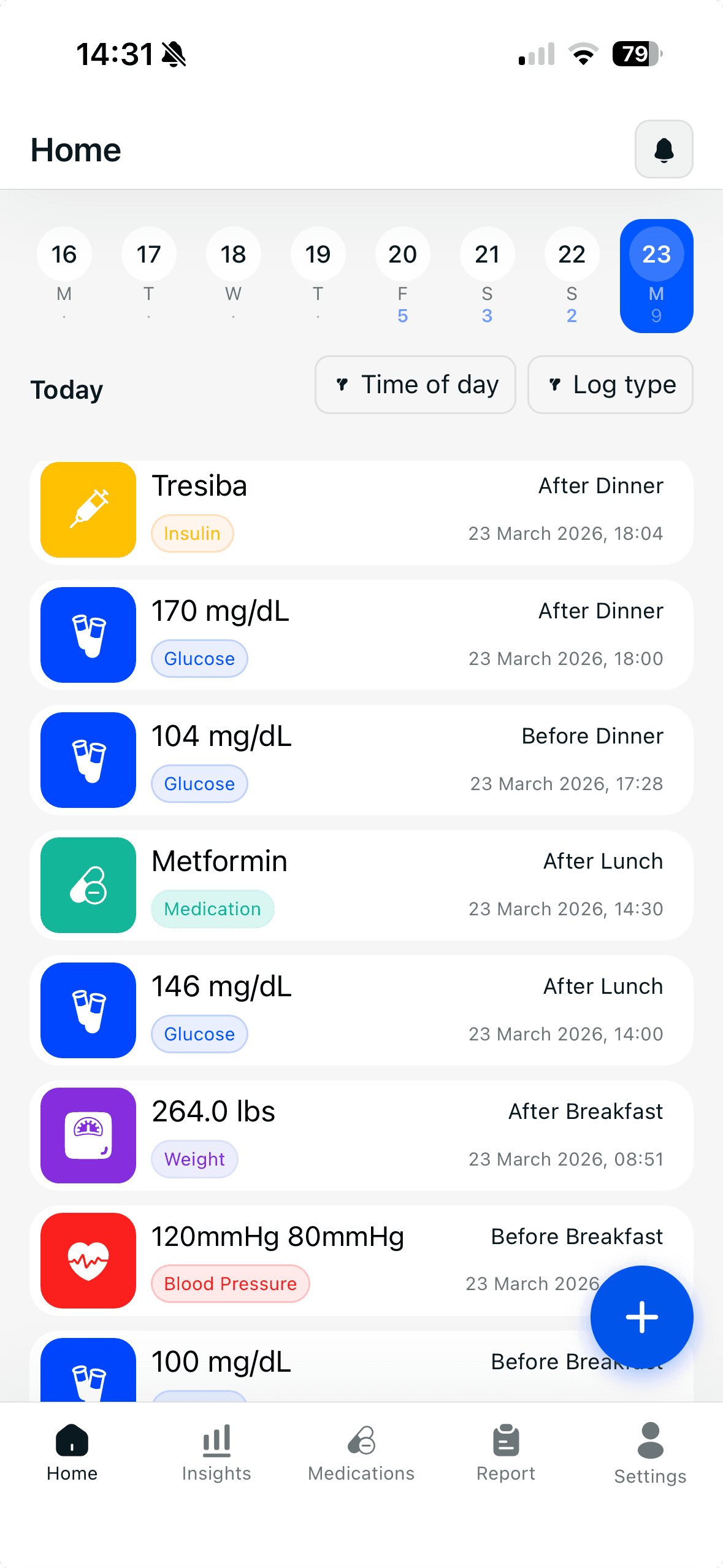
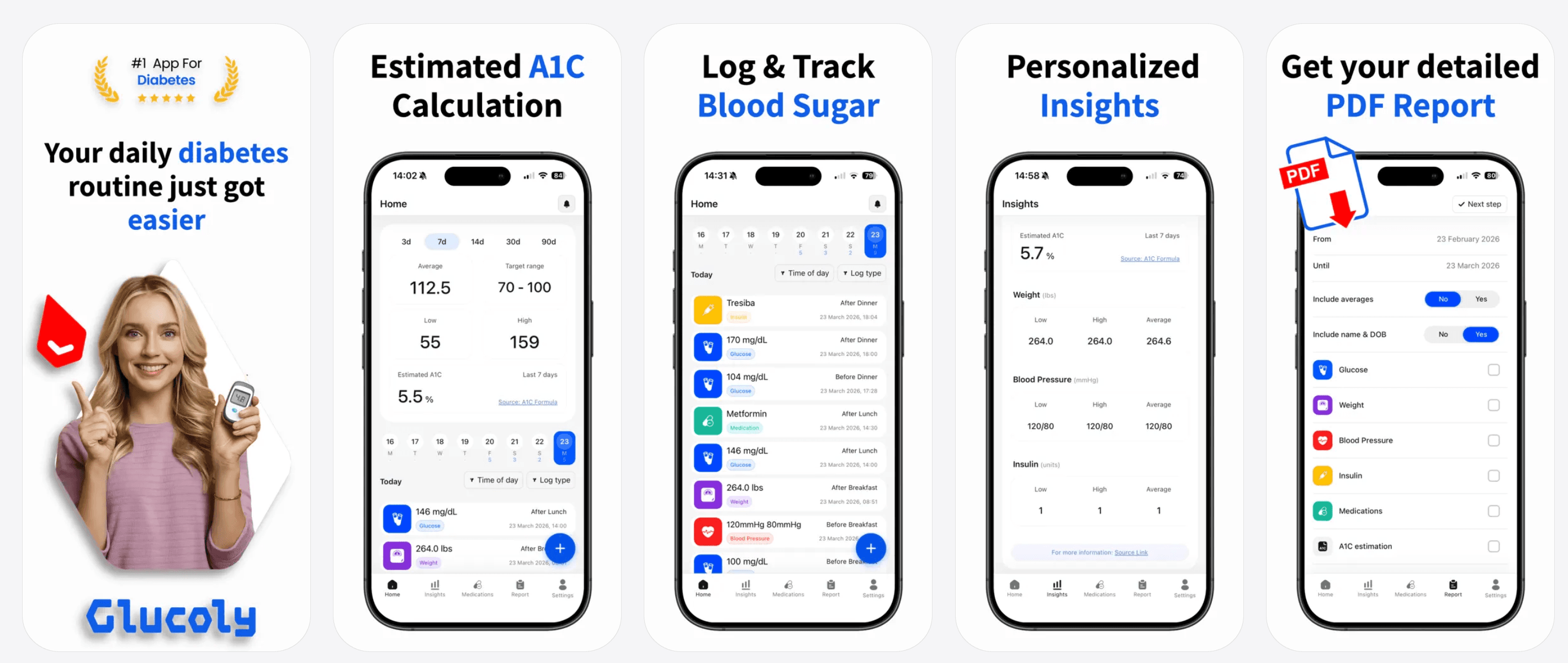
Glucoly's smart reminders can be set to prompt you every 2–4 hours so checks don't slip when you're exhausted and unwell. Each reading logs with a timestamp, and the trend windows let you and your doctor see how illness is affecting your glucose across the full day - not just the last reading. If you use a Dexcom or Libre CGM, Apple Health sync pulls continuous data in automatically, giving an even more complete picture overnight.
- Set a Glucoly reminder every 2–4 hours to prompt glucose checks during illness - critical when you're too tired to remember.
- Log ketone results alongside glucose readings in your notes so your full sick-day picture is in one place.
- Use Glucoly's trend windows to see how glucose is tracking across the illness, not just the last result.
- Export a doctor-ready PDF from Glucoly with timestamped readings - your care team can review your full sick-day log in one document.
- CGM users: Dexcom and Libre data synced via Apple Health flows into Glucoly automatically, giving continuous coverage even when you're too sick to finger-stick every hour.
This article is for general education and is not medical advice. Consult your healthcare provider before making changes to your treatment plan. Sick day rules, insulin adjustments, and emergency thresholds should be reviewed with your diabetes care team before illness strikes - ideally as part of your regular care routine.
Frequently Asked Questions
Should I take insulin if I'm sick and not eating?
- Yes - for Type 1 diabetes, you must continue taking your basal (long-acting) insulin even if you cannot eat at all. Stopping insulin during illness is one of the most dangerous mistakes a person with T1D can make; it can lead to DKA within hours.
- Illness raises blood sugar through stress hormones regardless of food intake, so your basal insulin is needed more than ever.
- Bolus (rapid-acting) insulin doses may need to be adjusted for smaller meals, but your care team should guide this - follow any sick day protocol your endocrinologist has given you.
- For Type 2 diabetes on insulin: the same principle generally applies, but your specific regimen may differ. Contact your care team for guidance.
- If you are unsure, call your diabetes care team before skipping any insulin dose.
What blood sugar level is dangerous when sick?
- Blood glucose above 300 mg/dL (16.7 mmol/L) during illness is a red-flag level that warrants calling your doctor, especially if it doesn't come down after a correction dose.
- For Type 1 diabetes: check ketones any time glucose exceeds 240 mg/dL (13.3 mmol/L). Moderate or large ketones at any glucose level is a medical emergency.
- Blood glucose below 70 mg/dL (3.9 mmol/L) that you cannot raise - particularly if you're vomiting and unable to eat or drink fast-acting carbs - may require emergency glucagon or a trip to the ER.
- Above 400 mg/dL (22.2 mmol/L) with any symptoms of DKA (vomiting, stomach pain, fruity breath, confusion): go to the ER immediately, do not wait.
Do I need to check ketones when sick?
- Yes, if you have Type 1 diabetes - check ketones any time your glucose exceeds 240 mg/dL (13.3 mmol/L) during illness. The American Diabetes Association recommends this as a core sick day rule.
- Ketone testing is also important for Type 2 diabetes if you take an SGLT2 inhibitor (Jardiance, Farxiga, Invokana) - these medications can cause DKA with near-normal glucose levels during illness.
- Urine ketone strips (available at pharmacies without a prescription) test for acetoacetate. Blood ketone meters test for beta-hydroxybutyrate, which is more accurate and detects DKA earlier.
- Trace or small ketones: increase fluid intake and recheck in 2 hours.
- Moderate or large ketones: contact your healthcare provider or go to the ER - do not wait.
Sources
- American Diabetes Association. Sick Day Management. diabetes.org
- American Diabetes Association. Standards of Care in Diabetes. diabetes.org
- Centers for Disease Control and Prevention. Managing Sick Days with Diabetes. cdc.gov/diabetes/managing/sick-days
Set glucose check reminders every 2–4 hours and track your full sick-day picture in Glucoly - free on the App Store and Google Play.
Download GlucolyShare this article
Related Posts
What Is LADA (Type 1.5 Diabetes)? Symptoms and How It Differs from Type 1 and Type 2
LADA (type 1.5 diabetes) is autoimmune diabetes that develops slowly in adults, often misdiagnosed as type 2.…
Read more →EducationDiabetic Retinopathy: How Diabetes Affects Your Eyes (and How to Protect Them)
Diabetic retinopathy is the leading cause of blindness in adults — largely preventable. Learn the stages, symp…
Read more →EducationWhat Is Diabetic Ketoacidosis (DKA)? Warning Signs You Must Know
DKA is a life-threatening diabetes emergency. Know the warning signs — fruity breath, vomiting, confusion — an…
Read more →